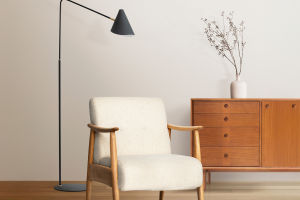
Walking into a living room, the first thing many notice is the feeling of life.
A vase of leafy greenery or a tall potted plant in the corner can transform a space from static to welcoming. But arranging plants effectively is more than simply placing them near a window.
Thoughtful placement, variety, and care turn ordinary green foliage into a design feature that improves mood, and spatial perception and can make a room feel more inviting and lived-in.
The Royal Horticultural Society (RHS) Advice Team writes: “Research suggests that the greatest benefits of indoor plants are through wellbeing and productivity improvement.”
Choosing the Right Plants
1. Consider Light Needs
Different plants thrive under different lighting conditions. A bright corner near a south-facing window can support sun-loving plants like fiddle leaf figs, whereas low-light areas are ideal for ZZ plants or pothos. Observing how sunlight moves across the room during the day helps in selecting species that will flourish naturally without forcing growth with artificial light.
2. Match Plant Size to Space
Scale matters. Large, upright plants like monstera or rubber trees work well as focal points or to fill empty corners. Smaller tabletop plants such as succulents or small ferns add layers of greenery without overcrowding furniture. Using a combination of heights—from floor to shelves—creates visual interest and depth.
3. Blend Leaf Shapes and Textures
Variety keeps the arrangement dynamic. Broad, glossy leaves contrast nicely with delicate, feathery foliage. Combining plants with different shapes, sizes, and colors enhances the natural aesthetic and prevents monotony. Even subtle differences, like variegated leaves against solid green ones, can provide a sophisticated visual balance.
Placement Strategies
1. Anchor Corners and Entryways
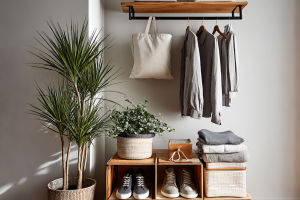
Tall potted plants in corners immediately soften hard edges of walls and furniture. Near an entryway, a well-chosen plant can create a welcoming effect. Positioning a large plant slightly away from the wall prevents a cramped look and allows leaves to spread naturally.
2. Layer on Surfaces
Tables, shelves, and mantels are perfect for smaller pots. Arranging plants at varying heights—perhaps using stands or stacked books—creates a sense of movement. A group of three plants of differing sizes often looks more intentional than a single plant alone.
3. Integrate with Decor
Plants should feel part of the room's style. Ceramic pots, woven baskets, or metallic planters can complement furniture and color schemes. Coordinating container style with room décor ensures greenery enhances rather than distracts from the space.
Maintenance for Longevity
1. Consistent Watering
Overwatering is one of the most common mistakes. Understanding each plant's needs—succulents versus ferns, for example—prevents root rot. Small trays or decorative saucers under pots catch excess water and protect flooring.
2. Pruning and Cleaning
Removing yellow or dead leaves keeps plants healthy and attractive. Wiping broad leaves with a damp cloth not only improves appearance but also ensures they can photosynthesize efficiently. Occasional pruning encourages fuller growth, maintaining the lush look of the room.
3. Rotate for Even Growth
Plants naturally grow toward light sources. Rotating pots every few weeks ensures balanced development and prevents lopsided growth. It also allows each side of the plant to be visible, creating a more symmetrical and aesthetically pleasing display.
By combining thoughtful selection, strategic placement, and proper care, living room plants do more than decorate—they energize the space and influence the mood of everyone who enters. A well-placed fiddle leaf fig or a cluster of small succulents can subtly shift a room's ambiance from sterile to inviting. Observing how light, color, and texture interact in your space allows greenery to enhance not only beauty but also comfort and connection.
Green plants remind us that life thrives even in small corners, and by nurturing them, we also nurture the warmth and personality of our home.