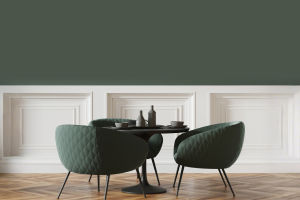
Visiting a newly renovated apartment, one can immediately sense the difference when sustainable materials are used.
The space can feel more natural and thoughtfully finished, and every element—from the flooring to the upholstery—seems carefully considered.
Modern interior design is increasingly embracing eco-conscious choices, not only for environmental reasons but also for the comfort, longevity, and health of occupants. Selecting sustainable materials is no longer just a trend; it is a fundamental part of thoughtful, responsible design.
Sustainable materials reduce environmental impact, improve indoor air quality, and often offer superior durability and aesthetic appeal. Incorporating them requires careful selection, knowledge of material properties, and an understanding of how they contribute to both function and style in a home.
Eco-Friendly Wood Options
1. Reclaimed and recycled wood
Reclaimed wood from old buildings, furniture, or flooring provides unique textures and histories while reducing the demand for newly harvested timber. Using this wood for flooring, cabinetry, or accent walls gives interiors a distinctive character and minimizes deforestation.
2. FSC-certified lumber
The Forest Stewardship Council (FSC) certifies wood that comes from responsibly managed forests. Choosing FSC-certified materials ensures that timber production supports ecological balance, wildlife conservation, and sustainable forestry practices.
3. Bamboo and fast-growing alternatives
Bamboo is widely used as a fast-growing alternative material in flooring, furniture, and paneling. However, its overall sustainability depends on sourcing, manufacturing, and transport, so it is best presented as a potentially sustainable option rather than an automatic one.
Low-VOC and Non-Toxic Paints
1. Understanding VOCs
Volatile organic compounds (VOCs) in paints can emit harmful fumes affecting air quality and health. Low-VOC or zero-VOC paints reduce these risks while maintaining the durability and finish expected in modern interiors.
2. Color and finish options
Today's low-VOC paints are available in a wide range of colors and finishes. From matte walls to glossy accent panels, homeowners do not need to compromise aesthetics for sustainability.
3. Proper application and ventilation
Even with low-VOC paints, proper ventilation during and after painting enhances indoor air quality. Using eco-friendly primers and sealants further reduces exposure to harmful chemicals.
Natural and Sustainable Textiles
1. Organic fabrics
Cotton, linen, wool, and ramie grown organically avoid pesticides and synthetic fertilizers. Organic textiles are ideal for upholstery, curtains, and bedding, creating a healthier environment while supporting sustainable agriculture.
2. Recycled and upcycled materials
Reclaimed fabrics from old garments or furniture can be repurposed into cushions, rugs, or decorative elements. This approach reduces waste and introduces unique textures that enrich interior aesthetics.
3. Durable and low-maintenance choices
Sustainable textiles often feature natural strength and resilience. Linen, for example, becomes softer over time while retaining durability. Choosing fabrics that require minimal chemical cleaning also reduces environmental impact.
Incorporating sustainable materials is more than an aesthetic choice; it reflects a commitment to long-term environmental stewardship and occupant wellbeing. From reclaimed wood floors to low-VOC paints and natural fabrics, these elements enhance the look, feel, and longevity of a home.
Walking through a room designed with these principles, one can sense the harmony between modern style and ecological mindfulness. Each material tells a story, whether it is a recycled timber beam or an organically grown linen curtain. Thoughtful selection not only benefits the planet but also creates spaces that are healthier, more comfortable, and visually authentic. Sustainability in interior design, when approached carefully, becomes a seamless part of everyday living—an investment in beauty, function, and the future.