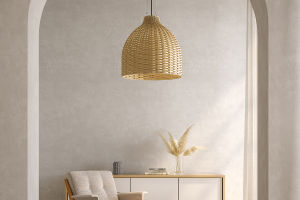
Have you ever sat down in an armchair that looked inviting but left you wiggling uncomfortably after just a few minutes?
A great armchair does more than fill a corner—it offers comfort, style, and personality. Whether you're curling up with a book, watching movies, or enjoying a quiet morning coffee, the right armchair can transform a space into a cozy retreat.
Armchairs come in countless styles, materials, and sizes, which can feel overwhelming. Focusing on comfort, function, and aesthetics helps narrow down the options. The right choice balances support with design, ensuring the chair fits both your body and your room. As Dieter Rams put it, “Less, but better.”
Key Factors to Consider
1. Size and Proportion
Measure your space carefully. Ensure there's enough room for the armchair without overcrowding the area. A chair that's too big can dominate a small room, while one that's too small may feel awkward in a large living area. Check seat height and depth to suit your body comfortably seat comfort varies by body size, and ergonomic guidance often uses a broader adjustable range.
2. Comfort and Support
Sit in the chair if possible. Look for proper lumbar support and cushioning that maintains shape over time. The backrest should support your spine, and the armrests should allow relaxed shoulders. Consider chairs with reclining features or adjustable footrests if you prefer lounging for extended periods.
3. Upholstery Material
Fabric, leather, and synthetic options each have pros and cons. Fabric can be soft and breathable but may stain easily, while leather is durable and easy to clean but can feel cold in winter. High-quality microfiber offers stain resistance and comfort, making it ideal for households with children or pets.
Design and Style Choices
1. Matching Your Interior
Armchairs should complement your existing decor. Modern spaces often favor sleek lines and neutral colors, while classic or traditional rooms may call for tufted backs and ornate wooden frames. Consider texture and color to create either a subtle blend or a bold accent.
2. Armchair Types
Wingback chairs add elegance and can provide extra neck support, perfect for reading corners. Barrel chairs offer a compact, rounded design that fits smaller spaces, while recliners combine comfort and functionality for relaxation. Swivel chairs add versatility if you like turning toward different areas of the room.
3. Accent Details
Pillows, cushions, and throw blankets can enhance comfort and style. Removable covers make cleaning easier. Pay attention to legs or bases—wood, metal, or upholstered choices can influence both stability and aesthetic appeal.
Practical Tips for Choosing
1. Test Before Buying
If possible, sit in multiple chairs to gauge comfort. Take a few minutes in each position to check back support and seat depth.
2. Consider Longevity
Choose high-quality frames, preferably hardwood, and durable fabrics. Check stitching and cushion resilience to ensure the chair maintains shape over time.
3. Think About Maintenance
Some materials need more upkeep than others. Leather may require conditioning, while fabric may need spot cleaning. Factor in how much time you're willing to invest in care.
4. Budget Wisely
Armchairs range widely in price. Invest in a well-built piece if it's for daily use, as quality often translates to longer lifespan and sustained comfort.
Selecting an armchair is about more than just a seat—it's creating a corner that invites relaxation and reflects your style. When you combine proper sizing, supportive design, durable materials, and aesthetic fit, the right armchair can become a treasured part of your home.
Next time you shop, take your time exploring different designs and materials, and imagine how it will feel after a long day. A thoughtfully chosen armchair doesn't just fill a space; it elevates your daily comfort and makes your home truly inviting.