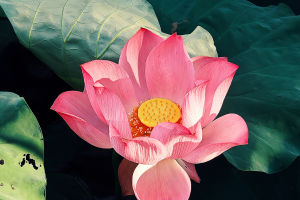
Stepping into a garden where roses are in full bloom, their petals unfolding in vibrant reds, soft pinks, and golden yellows, can instantly lift the spirit.
There is a quiet satisfaction in tending these plants—watching buds form, carefully pruning, and nurturing them toward peak bloom.
Yet growing healthy roses is both an art and a science. Achieving flourishing, long-lasting plants requires understanding their specific needs, from soil composition to disease management, as well as patience and attentiveness throughout the growing season. As rose-growing guidance often reminds gardeners, healthy roses are easier to grow with the right knowledge and care.
With thoughtful care, even novice gardeners can cultivate roses that not only provide stunning color and fragrance but also enrich the garden's ecosystem. By mastering essential techniques, you can turn your rose garden into a sanctuary of beauty and vitality.
Preparing the Soil for Success
1. Choosing the right soil
Roses thrive in well-draining soil with a slightly acidic pH, often around 6.5. Mixing compost or well-rotted organic matter enriches the soil with nutrients, improves soil structure, and helps retain moisture without waterlogging roots. Raised beds or mounds can improve drainage in heavy clay or compacted soils.
2. Fertilizing strategically
Balanced fertilizers provide essential nutrients for growth and flowering. Organic options, like composted manure or fish emulsion, gradually release nutrients and improve soil structure. Applying fertilizer in early spring encourages vigorous new shoots, while additional feedings during the blooming season maintain flower production.
3. Mulching for moisture and protection
A layer of organic mulch, such as bark chips or shredded leaves, conserves soil moisture, moderates temperature fluctuations, and suppresses competing plants. Mulching also adds nutrients as it decomposes and provides a tidy, visually appealing base for rose bushes.
Pruning Techniques for Health and Bloom
1. Timing and method
Prune roses in late winter or early spring before new growth begins. Remove dead, damaged, or crossing branches to promote air circulation and reduce disease risk. For hybrid teas and floribundas, cutting back canes to outward-facing buds encourages outward growth and symmetrical shaping.
2. Encouraging blooms
Pinching or removing spent flowers during the growing season redirects the plant's energy toward new buds rather than seed production. Regular pruning also stimulates branching, increasing the number of flowering stems and enhancing overall visual appeal.
3. Tools and safety
Use clean, sharp pruning shears to make precise cuts at a 45-degree angle, about a quarter-inch above a bud. Wearing gloves protects against thorns, and sterilizing tools between plants prevents the spread of disease.
Watering and Disease Management
1. Consistent watering
Roses require deep, infrequent watering rather than frequent shallow sprays. Aim to keep soil moist at the root level, avoiding wetting the foliage, which can encourage fungal growth. Early morning watering allows leaves to dry during the day.
2. Monitoring for pests and diseases
Common issues include aphids, black spot, and powdery mildew. Regularly inspect plants and remove affected leaves promptly. Introducing beneficial insects like ladybugs or using insecticidal soap sprays can naturally reduce pests without harming the garden ecosystem.
3. Seasonal care routines
During wet or humid periods, extra attention to airflow, pruning, and sanitation can help protect susceptible varieties. Where needed, gardeners may also use approved treatments, but cultural practices such as spacing, pruning, and keeping foliage dry remain important first steps. Adjusting care with the seasons—lighter watering in cooler periods and closer monitoring during active growth—can support steadier plant health.
Growing and caring for roses requires a balance of observation, effort, and seasonal awareness. Each pruning cut, careful watering, and well-timed fertilization contributes to the plant's overall vitality and visual impact. Beyond aesthetics, well-tended roses can transform a garden into a sanctuary, attracting pollinators and creating a fragrant, uplifting space.
By dedicating attention to soil preparation, pruning, watering, and disease prevention, gardeners cultivate roses that flourish year after year. These practices not only enhance the health and longevity of the plants but also create a personal connection to the rhythms of nature. The reward is a garden filled with color, fragrance, and life—a reflection of care, patience, and the quiet joy of watching roses bloom.