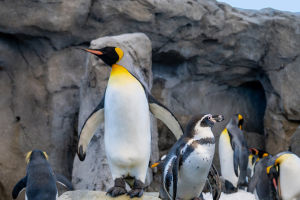
If you've ever seen a penguin waddling on ice, you might have wondered: how do these adorable birds survive in freezing temperatures? Penguins live in some of the coldest places on Earth, yet they seem to thrive in environments that would be unbearable for most other creatures.
From thick layers of insulating layers to unique behaviors, penguins have evolved incredible survival strategies to face the harshest of winters.
The Power of Penguin Plumage
One of the first things that help penguins survive extreme cold is their plumage. Penguins are built like no other bird, and their feathers play a crucial role in keeping them warm. Their feathers are not only tightly packed, but they also have a special waterproofing oil that coats each one, preventing water from soaking through and chilling their skin.
1. Insulating Layers
Beneath their feathers, penguins have a thick layer of blubber that acts as insulation. This insulating layer layer can be several centimeters thick, offering them protection against the icy waters they dive into and the frigid air they endure. Together with their dense feathers, this blubber helps penguins maintain their body temperature even in sub-zero conditions.
2. Feather Structure for Warmth
Penguins' feathers are different from those of other birds. They are much shorter and more tightly packed, creating a layer of air that acts as an insulator. This unique feather structure traps warmth and prevents heat loss. It's so effective that even in the harshest Antarctic winds, penguins stay toasty under their coat of feathers.
Social Strategies to Stay Warm
Another remarkable survival tactic that penguins use to thrive in extreme cold is their social behavior. Penguins are highly social birds and often group together to combat the chill.
1. Huddling for Heat
During the coldest months, penguins form tight-knit groups, sometimes huddling together in massive colonies. This behavior helps conserve warmth by reducing exposure to the icy winds. When penguins huddle, they share their body heat, creating a more stable, warmer environment in the center of the group.
2. Alternating Positions
In these huddles, penguins take turns being on the outer edges, where it's colder. The ones on the outside gradually rotate to the center, ensuring that everyone gets a chance to warm up. This communal care is key to their survival, especially during the brutal winter months when temperatures plummet to -60°F (-51°C).
Physical Adaptations for Cold Waters
Not only do penguins face cold air, but they also spend a significant amount of time in freezing cold waters. So, how do they manage to stay warm while swimming?
1. Efficient Diving
Penguins are expert swimmers, and their bodies are built for diving in cold waters. They have a streamlined shape, allowing them to glide effortlessly through the water. Penguins' flippers function like wings, propelling them at incredible speeds and helping them chase fish while conserving energy.
2. Countercurrent Heat Exchange
When penguins dive into icy waters, they rely on a remarkable physiological feature called countercurrent heat exchange. Their blood vessels are structured so that warm blood from the heart circulates through the body and returns through blood vessels carrying cooler blood from the extremities. This process minimizes heat loss and keeps their core body temperature stable.
Adaptation to Limited Food Sources
Living in such cold environments means that penguins also face periods where food is harder to find, particularly during breeding seasons. But penguins have developed strategies to make sure they can still get the nutrients they need.
1. Incredible Diving Skills
Penguins dive deep into the frigid waters to hunt for fish, krill, and other marine creatures. They can dive to impressive depths of over 500 meters (1,640 feet), hunting for prey that most other animals can't reach. This ability allows them to find food in areas where it may be scarce on the surface.
2. Energy Conservation
Penguins are expert energy conservers. When food is scarce, they can survive on their energy stores. During the breeding season, penguins fast for weeks while they incubate eggs, relying entirely on their energy reserves to survive. Their metabolic rate adjusts to ensure that they can endure long periods without feeding.
Penguin Conservation and Human Action
While penguins have evolved to survive the extreme cold, they are not invincible. Climate change, pollution, and overfishing have led to dwindling food sources and changes in their natural habitat. As temperatures rise and ice melts, penguin populations are facing serious threats.
1. Protecting Their Habitat
The best way to help penguins survive in the face of climate change is by protecting their habitat. Efforts to limit global warming, reduce carbon emissions, and preserve marine ecosystems are crucial in ensuring that penguins can continue to thrive in their natural environments.
2. Supporting Marine Conservation
Conserving the oceans and the fish populations that penguins depend on is another important action we can take. By supporting sustainable fishing practices and reducing pollution in the ocean, we can help penguins secure a steady food supply and maintain the healthy ecosystems they rely on.
Takeaway: Penguins Are Survivors
Penguins are truly remarkable creatures, adapted to thrive in some of the coldest and most unforgiving environments on Earth. Through physical adaptations, social strategies, and incredible resilience, they manage to not only survive but also flourish. However, their survival is increasingly dependent on us to protect the fragile ecosystems they inhabit. By understanding the challenges penguins face and supporting conservation efforts, we can ensure that these beautiful birds continue to thrive for generations to come.