Skateboarding has a special charm that draws countless young people into its thrilling world. The speed, tricks, and freedom are incredibly exciting, but safety is just as important.
Especially for beginners, knowing the right safety measures can make the difference between a fun session and a painful accident. Today, we’ll share a practical skateboard safety guide to help us start confidently, stay safe, and truly enjoy every ride.
Choosing the Right Gear
Safety begins with the right gear — and having reliable, skate‑specific equipment helps protect your body and boost confidence as you ride.
Helmets
Triple 8 Certified Sweatsaver Helmet – A top‑rated dual‑certified skateboard helmet with excellent impact protection and comfort.
Pro‑Tec Classic Helmet – A well‑trusted classic skate helmet with strong safety ratings.
Triple Eight Gotham Helmet – Premium skate/bike helmet with great fit and airflow.
Skateboard helmets aren’t optional — they protect your head from impact and significantly reduce the risk of serious injury, especially on hard falls.
Pads and Protective Sets
Triple 8 Saver Series 3‑Pack – High‑quality knee, elbow, and wrist pads in one set — ideal for beginners learning to fall safely.
187 Killer x Independent Combo Pack – A solid pad set with impact protection for all major joints.
Eight Ball Black Pads 3‑Pack – A budget‑friendly pad set that still offers good protection.
Pads help distribute impact from falls and protect joints from scrapes, bruises, and more severe injuries — especially useful while learning tricks.
Skate or Board Shoes
Although specific shoe brands aren’t in this list, remember that skate shoes should have flat, grippy soles and reinforced stitching for better board feel and foot protection — far better than running shoes or casual sneakers.
Optional But Helpful:
Wrist guards for extra support in falls.
Investing in the right certified gear isn’t just a formality — it genuinely reduces injury risk and helps you focus on improving skills with confidence.
Learn the Basics and Rules
Before attempting complex tricks, we must master the basics: riding, turning, and braking smoothly. These skills form the foundation of safe skateboarding.
It’s also important to follow local laws and skate park rules. Ignoring them can put both ourselves and others at risk.
Choosing the right environment is crucial. We should avoid busy streets, wet surfaces, or uneven ground. Always stay alert for pedestrians, cyclists, or obstacles that might appear unexpectedly. A safe environment ensures smoother rides and a more enjoyable experience.
Warm-Up and Stretch
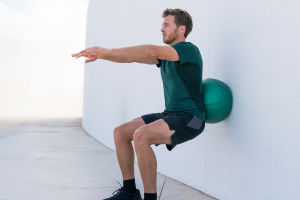
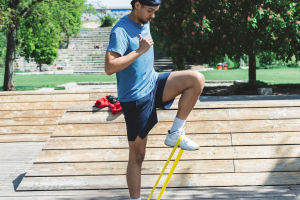
Preparing our bodies is vital. Light jogging, jumping, or dynamic stretches before skating increase flexibility, warm up muscles, and lower the risk of injuries.
After skating, we should do full-body stretches, especially targeting the thighs, calves, and lower back, which are often tight. Stretching helps relieve fatigue, reduces soreness, and ensures we’re ready for the next session. Treating our body gently before and after skating keeps us strong and agile.
Handling Falls Correctly
Falling is part of skateboarding, but knowing how to fall makes a huge difference. We should try to relax our bodies instead of tensing up, which can lead to more serious injuries.
Rolling on our side or using a controlled tumble helps distribute the impact and protect single body parts from serious harm.
After a fall, we need to take a moment to assess any injuries. If anything feels serious or we notice visible wounds, seeking medical attention is the safest approach. Taking this step seriously prevents minor injuries from becoming major problems.
Building Safety Awareness
Understanding our limits is key. We shouldn’t try tricks beyond our skill level, and we should gradually progress to more advanced moves.
Respecting others while skating is just as important. Give people space, avoid risky maneuvers that could interfere with them, and maintain polite, safe behavior.
Skateboarding is an ongoing learning process. Watching video tutorials, joining lessons, or asking advice from experienced skaters helps us continually improve both skills and safety awareness. Staying informed and practicing regularly keeps us confident and secure.
Skateboarding Role Models
To get motivated and learn proper technique alongside safety, many skateboarders look up to some of the sport’s most influential figures, such as:
Tony Hawk – Often called one of the most iconic skateboarders ever, Hawk helped popularize skateboarding globally and is known for landing the famous “900.”
Nyjah Huston – One of the top competitive skateboarders today, known for his technical street skating and multiple X Games titles.
Paul Rodriguez (P‑Rod) – A respected pro known for smooth style and versatility across street and park disciplines.
Ryan Sheckler – Turned pro at a young age and became widely recognized for his competitive success and mainstream presence.
Leticia Bufoni – One of the leading female skateboarders, known for her strong competition results and global influence.
Enjoy Skateboarding with Confidence
Skateboarding is exciting, but safety always comes first. By choosing the right gear, mastering the basics, warming up, knowing how to fall, and building safety awareness, we can enjoy every ride confidently and fully.
We can embrace the thrill and freedom of skateboarding while keeping ourselves and others safe. Every ride is a chance to improve, learn, and have fun without unnecessary risk.
Final Words
Lykkers, each ride is an adventure, and every trick is an opportunity to grow. By following these safety tips, we maximize fun while minimizing injuries. Let’s keep learning, keep skating, and most importantly, watch out for each other.
Skate smart, enjoy every ride, and let’s make every moment on the board safe, fun, and unforgettable!